
Bacteriostatic Water: What It Is, How It Works, and Why It Matters

Here’s
If you’ve spent time in medical, research, or peptide communities, you’ve probably come across bac Water but most explanations either oversimplify it or bury the useful stuff under jargon. This post breaks it down plainly.
What Is bac Water?
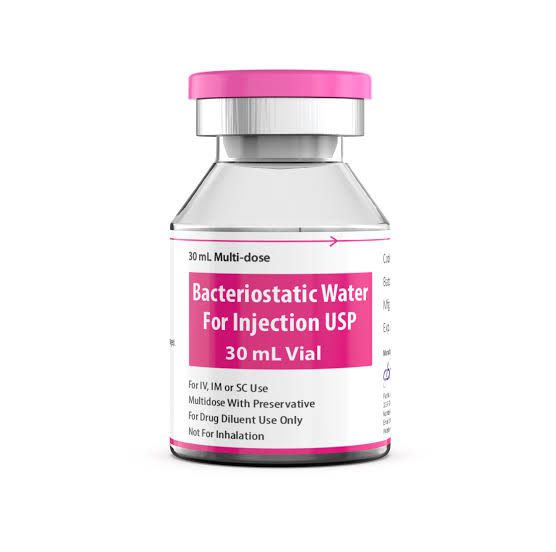
Bacteriostatic water is sterile water that contains 0.9% benzyl alcohol as a preservative. The benzyl alcohol prevents the growth and reproduction of bacteria hence “bacteriostatic” (bacteria-stopping, not bacteria-killing). That distinction matters.
Regular sterile water has no preservative. Once you puncture that vial, the clock starts ticking. Bacteriostatic water, on the other hand, can be used for multiple withdrawals from the same vial over a longer window — typically up to 28 days after opening.
Common Uses
- Reconstituting peptides for research use
- Diluting medications for injection in clinical settings
- Mixing compounds where a preservative is acceptable and sterility needs to hold over time
It’s a workhorse in labs, compounding pharmacies, and research environments where repeated access to a sterile diluent is necessary.
Bacteriostatic Water vs. Sterile Water What’s the Difference?
| Feature | Bacteriostatic Water | Sterile Water |
|---|---|---|
| Preservative | 0.9% benzyl alcohol | None |
| Multi-dose use | Yes (up to 28 days) | No (single use typically) |
| Shelf life after opening | ~28 days | Discard after single use |
| Best for | Repeated draws from same vial | One-time dilution |
The benzyl alcohol is the entire reason bacteriostatic water exists. Without it, you’re just working with sterile water and a shorter safety window.
Storage and Handling
- Store at room temperature (20–25°C / 68–77°F)
- Keep away from direct sunlight
- Do not freeze
- Discard after 28 days from first puncture
- Inspect for particulate matter before use — if it looks cloudy or discolored, toss it
Important Note on Benzyl Alcohol
Benzyl alcohol is generally safe for adults but should not be used in neonates or infants. Always verify compatibility with whatever compound you’re reconstituting — some substances don’t play well with preservatives.
The Bottom Line
Bacteriostatic water isn’t complicated, but it is specific. The 0.9% benzyl alcohol extends usability, enables multi-dose convenience, and keeps bacterial growth in check without acting as a full sterilizer. Understanding that one detail static vs. cidal tells you everything you need to know about how to handle it.
Frequently Asked Questions
Can I drink bac Water?
No. It’s intended for reconstitution, dilution, and injection purposes in clinical or research settings. The benzyl alcohol content makes it unsuitable for oral consumption.
How long does bacteriostatic water last?
Unopened vials typically carry a shelf life of 1–2 years when stored properly. Once punctured, the vial remains usable for up to 28 days thanks to the benzyl alcohol preservative.
Is bacteriostatic water the same as saline?
No. Saline contains 0.9% sodium chloride (salt). Bacteriostatic water contains 0.9% benzyl alcohol in sterile water. Different compositions, different purposes, not interchangeable.
Can I reuse the same syringe?
The vial may be punctured multiple times, but you should always use a fresh syringe and needle for each draw. Reusing syringes introduces contamination risk regardless of the preservative.
What happens if I use it past 28 days?
The benzyl alcohol begins to lose effectiveness over time. Beyond 28 days, the preservative can no longer reliably inhibit bacterial growth. Using expired bacteriostatic water introduces infection and contamination risk. Don’t risk it — discard and replace.
Can bacteriostatic water be frozen?
No. Freezing can degrade the benzyl alcohol and compromise the sterility of the solution. Store at room temperature in a clean, dry environment.
Does it require a prescription?
In most cases, no bacteriostatic water is widely available for purchase through medical supply companies, pharmacies, and research suppliers. Availability depends on your region and local regulations.
Why is my bacteriostatic water cloudy?
It shouldn’t be. Bacteriostatic water should remain clear and colorless. Cloudiness, discoloration, or visible particles indicate contamination or degradation. Discard the vial immediately and do not use it.
Can I use bacteriostatic water with any medication or peptide?
Not always. Some compounds are not compatible with benzyl alcohol and require plain sterile water instead. Always check the specific reconstitution instructions for whatever you’re working with. When in doubt, consult the manufacturer’s guidelines or a qualified professional.